
You Can Feel Lonely Even When You're Not Alone
Understanding loneliness, why it happens and how small steps can help us feel more connected.
5 min read
This article is a draft awaiting editorial review.
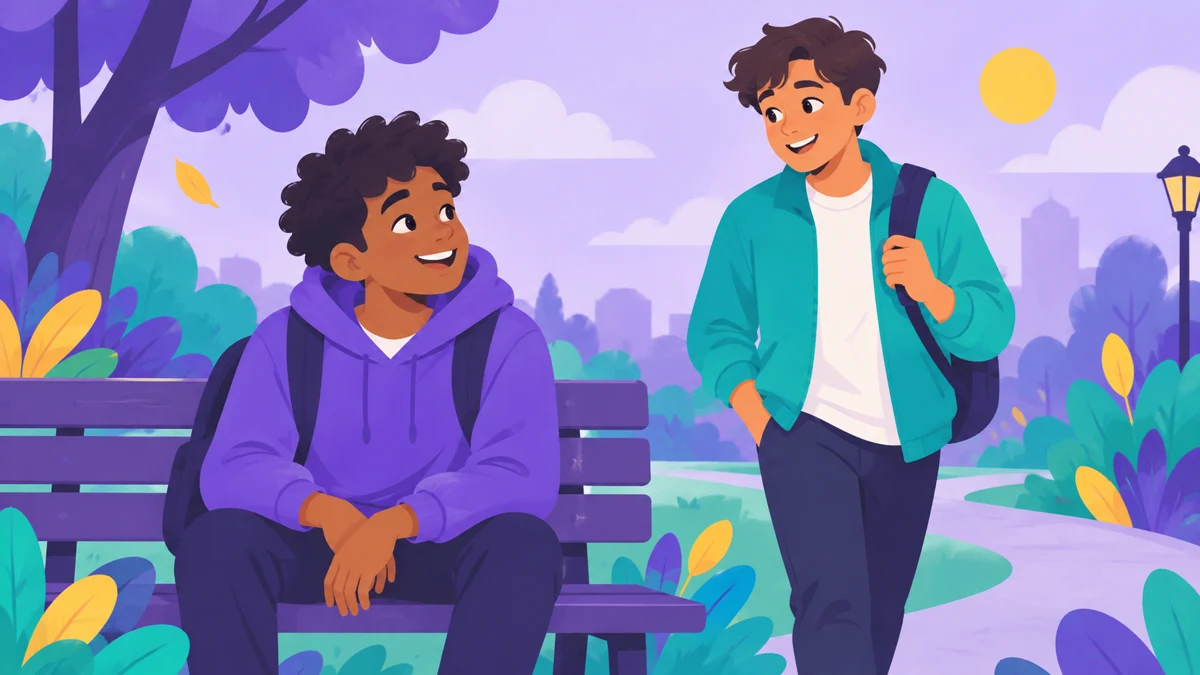
Understanding loneliness
Have you ever been surrounded by people and still felt lonely?
Perhaps you're at school, college, at home with family or scrolling through social media, but somehow you still feel disconnected.
If this sounds familiar, there's something important to remember: feeling lonely doesn't mean there's something wrong with you.
Loneliness is something many people experience at different points in their lives. It can happen when we're surrounded by others, when friendships change, when we feel misunderstood or when we simply wish we had someone we could talk to.
And sometimes, we don't even know exactly why we feel this way.
What does loneliness really feel like?
Loneliness isn't always about being physically alone.
It might feel like:
- Feeling left out when other people are together.
- Having people around but feeling that nobody really understands you.
- Wanting someone to talk to but not knowing who to approach.
- Missing an old friendship or wishing things were different.
- Finding it difficult to make new connections.
- Feeling disconnected even when you're spending time with others.
Everyone experiences loneliness differently. There isn't one correct way to feel.
Why can loneliness happen?
Life changes constantly, particularly during our teenage years and early adulthood.
Friendships can change. People move schools, start college, begin new jobs or develop different interests. Sometimes relationships that once felt close become more distant.
Social media can also make things difficult. Seeing photographs of people having fun, going out or spending time together can sometimes make us feel that everyone else has a more exciting or connected life.
But remember, what we see online is only a small part of somebody else's life. It doesn't tell the whole story.
Five small ways to feel more connected
You don't need to change your life overnight. Sometimes small steps are a good place to begin.
1. Start with a small hello
You don't have to become best friends with someone straight away. A simple conversation, greeting or shared moment can be a starting point.
2. Look for shared interests
Clubs, sports, music, gaming, volunteering and other activities can provide opportunities to meet people who enjoy similar things.
3. Consider talking to someone you trust
A friend, family member, teacher, youth worker or another trusted adult may be able to listen. You don't need to find perfect words to explain how you feel.
4. Be kind to yourself
Try not to compare your social life with what you see other people doing. Having a small friendship circle, needing time alone or finding social situations difficult doesn't make you less important.
5. Give yourself time
Building friendships and feeling connected doesn't happen instantly. You don't need to rush or force relationships that don't feel right.
Only approach people or take part in activities that feel safe and appropriate for you.
What if I don't know who to talk to?
Sometimes the hardest part is knowing where to start.
You might be worried about what someone will think, or you may not know how to explain what you're experiencing.
You could begin with something as simple as:
- “I've been feeling a little lonely lately.”
- “I could really do with someone to talk to.”
- “I've been finding things a bit difficult.”
- “Would you have some time to talk?”
You deserve to be listened to. If loneliness is persistent, distressing or affecting everyday life, consider speaking with a trusted adult or qualified health professional.
Remember, you matter
There may be days when connecting with others feels easy, and other days when it feels much harder.
That doesn't mean you're failing. It doesn't mean you're unlikeable. And it certainly doesn't mean you have to face everything alone.
You deserve friendships, kindness, understanding and support.
There is no timetable for building connections. Take things at your own pace, and remember that even a small step can matter.
A little support from MindIfIAsk.org
At MindIfIAsk.org, we believe every young person deserves somewhere to turn when life feels difficult.
Our Dealing With Loneliness wellbeing tool offers a private, gentle space to explore feelings, consider small steps and think about who you might feel comfortable talking to.
Your choices stay on the page while you use the tool. No account is needed, and your answers are not saved, sent or shared.
Explore the Dealing With Loneliness toolYou can also visit our Help Centre for more information and support.
Visit the Help CentreIf you or someone else is in immediate danger, contact local emergency services straight away.
You don't have to figure it out alone.
MindIfIAsk.org — Every young person deserves to feel heard, understood and supported.